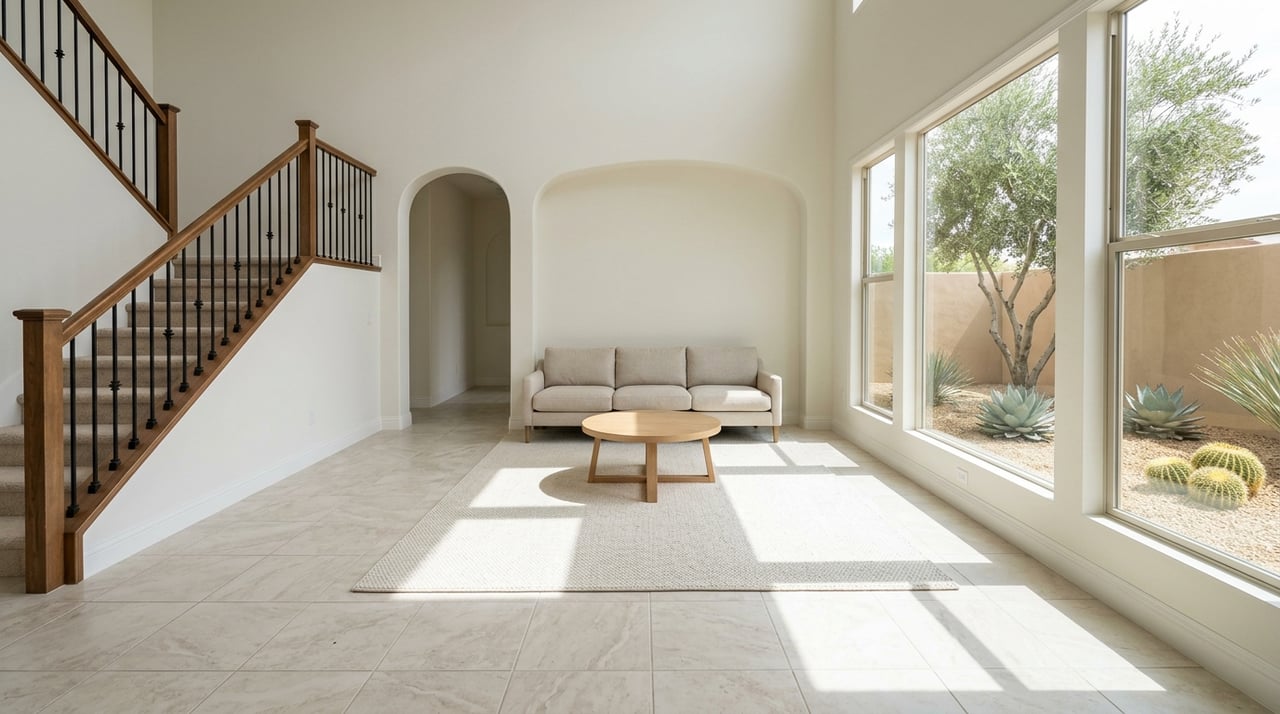
If you love Lone Mountain but your current home no longer fits your life, you are not alone. Maybe you need another bedroom, a bigger yard, more flexible living space, or simply a layout that works better for your next chapter. The good news is that you may be able to move up without giving up the routines and local familiarity you already enjoy. Let’s dive in.
Why move-up buyers stay in Lone Mountain
Lone Mountain is a Clark County-administered unincorporated town in the northwest Las Vegas Valley, covering about 30 square miles. For many homeowners, that larger footprint means you can look for more space while staying close to the places and patterns that already work for your household.
Local parks are a big part of that appeal. Clark County highlights Lone Mountain Park as a regional park with dog-park areas, equestrian space, and a trail around the mountain, along with nearby recreation at Lone Mountain Discovery Park, Majestic Park, and Trigono Hills Park. If your goal is more room at home without losing access to outdoor space, staying local can make a lot of sense.
Another practical benefit is continuity. Because Lone Mountain is county-administered, residents can use the Lone Mountain Citizens Advisory Council as a forum for planning concerns and long-term local issues. If you value staying connected to the same general area while improving your housing situation, that local structure matters.
What the Lone Mountain market means
If you are trading up, timing matters just as much as budget. Recent market data suggests Lone Mountain is active enough that you want a plan before you list and before you shop too casually.
Zillow reports an average home value of $445,830 in Lone Mountain, down 2.2% year over year, with homes going to pending in about 26 days. Realtor.com reports a median listing price of $387,499, a median sold price of $375,000, and median days on market of 44 days as of May 2026.
Those numbers should be used separately because they measure different things. Still, they point to the same takeaway: homes can move quickly enough that move-up buyers benefit from getting organized early.
Start with your real equity
Before you shop for the next home, you need a clear picture of what your current home can help fund. Home equity is the difference between what your property is worth and what you still owe on your mortgage.
But your usable number is usually lower than your headline equity. Once you sell, you may need to pay off the current loan, cover transfer taxes, and account for other sale and purchase costs. That is why a move-up plan should focus on net proceeds, not just estimated value.
A simple framework looks like this:
- Estimated sale price of your current home
- Minus mortgage payoff
- Minus sale-related costs
- Minus moving and setup costs
- Equals a more realistic amount available for your next purchase
In Clark County, the Recorder charges real property transfer tax at $2.55 per $500 of value. On the buy side, the Consumer Financial Protection Bureau says closing costs commonly run about 2% to 5% of the purchase price, and you should also budget for moving costs, repairs, insurance, property taxes, and HOA dues where applicable.
Do not overlook tax details
Taxes may not be the most exciting part of a move-up plan, but they can affect your bottom line. The IRS says homeowners who meet the ownership and use tests may exclude up to $250,000 of gain on a single return or up to $500,000 on a joint return when selling a main home.
Property taxes also deserve attention after a move. In Clark County, the Assessor says primary residences are generally subject to a 3% property-tax cap, while other properties are subject to 8%. The Assessor also mails tax-cap abatement notices to owners who purchased property or changed ownership after July 1, so it is smart to verify the cap status after your transaction closes.
Sell first or buy first?
This is the question that shapes almost every move-up strategy. In most cases, selling first is the cleaner and safer route.
The Consumer Financial Protection Bureau says that if you want to move, you normally try to sell your home before buying another one. That approach reduces the risk of carrying two housing payments at once and gives you a clearer number for how much cash you can bring to the next purchase.
Buying first can still work, but it usually calls for stronger cash reserves and a very clear financing plan. If you go that route, you need to think carefully about risk, monthly payment overlap, and how quickly your current home is likely to sell.
When selling first makes sense
Selling first may be the best fit if:
- You need your current equity for the next down payment
- You want to avoid two mortgage payments at once
- You want a firmer budget before making offers
- You prefer less financial uncertainty during the move
When buying first may work
Buying first may be possible if:
- You have enough cash reserves for overlap
- You can comfortably handle temporary double housing costs
- You have financing lined up in advance
- You have a backup plan if your current home takes longer to sell
CFPB notes that home equity loans and HELOCs are second mortgages secured by the home. It also recognizes bridge loans of 12 months or less as a temporary option when a buyer plans to sell the current home within a year.
Why preapproval matters early
In a market where homes may go pending in about 26 days and median days on market can sit around 44 days, preparation gives you options. If you wait until your home is listed to start thinking about financing, you may feel rushed when the right replacement property appears.
CFPB recommends getting preapproved before you make offers. It also advises buyers to make offers contingent on financing and inspection, review the Closing Disclosure before closing, and avoid taking on new car loans or credit-card debt in the months before applying for a mortgage.
Lenders must provide the Closing Disclosure at least three business days before closing. That built-in review window is helpful, but the smoother path is to get your financing organized well in advance.
Compare needs, not just price
When you move up, the question is not only whether you can afford more home. The better question is whether the next home improves your day-to-day life enough to justify the move.
For many buyers in Lone Mountain, that means looking closely at practical factors like:
- Bedroom count and layout flexibility
- Yard size and outdoor use
- Commute patterns
- Proximity to parks and recreation
- Access to school search tools, magnet programs, and career and technical academies through Clark County School District resources
That kind of comparison helps you avoid paying more for square footage that does not actually solve your problem.
Staying in Lone Mountain vs nearby options
If your main goal is more space without a major lifestyle reset, staying in Lone Mountain can be a smart move. You keep access to the same general northwest valley setting, county amenities, and familiar routines while looking for a home that better fits your current stage of life.
If you are also considering nearby alternatives, two common comparison points are Centennial Hills and Summerlin North. These areas can represent different budget jumps, so it helps to view them through the lens of your actual must-haves.
Centennial Hills as a nearby peer
Zillow places Centennial Hills’ average home value at $450,051, with homes going pending in about 32 days. Realtor.com shows a median listing price around $535,000.
For a Lone Mountain homeowner, that can suggest a relatively modest budget step if you want to stay in the northwest part of the valley. It may be worth exploring if you want more inventory options while keeping a similar general location strategy.
Summerlin North as a bigger jump
Summerlin North is typically a more expensive move-up target. Zillow reports an average home value of $628,313 there, with homes going pending in about 74 days, while Realtor.com reports a median sale price of $712,833.
In practical terms, that likely means you need more equity, a higher budget, or a tighter list of non-negotiables. If your move-up goal is simply more room, staying in Lone Mountain may offer a more efficient path than stretching into a much higher price point.
A smart move-up plan in steps
A strong move-up plan usually works best when you treat it like a sequence, not a scramble. Clear steps help reduce stress and keep you from making rushed decisions.
1. Define your true reason for moving
Start with the problem your current home is not solving. Are you short on bedrooms, storage, yard space, privacy, or a flexible office or guest area?
When you know the mission, it is easier to avoid distractions. You can focus on homes that actually improve your daily life instead of chasing every new listing.
2. Estimate net proceeds
Look beyond your home’s rough market value. Your real buying power depends on mortgage payoff, transfer taxes, sale costs, and the costs of getting into the next home.
That number becomes the foundation for your next budget. It also helps you decide whether selling first or buying first is realistic.
3. Get preapproved early
Preapproval helps you shop with confidence and move faster when needed. It also gives you a reality check on monthly payments before emotions get involved.
Just as important, it helps you narrow your search to homes that support your goals and your comfort level.
4. Prepare your current home for market
If homes can move quickly in the area, your listing should be ready to compete from day one. Clean presentation, thoughtful timing, and a clear strategy can help you protect value and reduce disruption.
This step matters even more when your next move depends on sale proceeds. A well-managed listing plan supports the rest of the timeline.
5. Shop with a short list
As you look at homes, keep your must-haves separate from your nice-to-haves. That discipline makes decisions easier when inventory moves fast.
A shorter, clearer list can also help you compare staying in Lone Mountain with nearby options like Centennial Hills or Summerlin North.
The bottom line on moving up smart
Trading up in Lone Mountain is not just about buying a bigger house. It is about using your equity wisely, understanding local costs, choosing the right sequence, and staying focused on what improves your life.
If you plan ahead, you can often gain the space you need without giving up the northwest Las Vegas routines you already enjoy. That is what moving up smart really looks like.
If you want a steady, well-planned approach to selling your current home and finding the right next fit in Lone Mountain or nearby northwest Las Vegas, Dan Merrill can help you build a clear move-up strategy.
FAQs
How fast do homes move in Lone Mountain, Nevada?
- Zillow reports homes going pending in about 26 days, while Realtor.com reports median days on market of 44 days as of May 2026, so it is wise to prepare your financing and search plan early.
What costs should move-up buyers budget for in Lone Mountain?
- In addition to your down payment, budget for mortgage payoff on your current home, Clark County transfer tax, closing costs that CFPB says commonly run about 2% to 5% of the purchase price, moving expenses, insurance, property taxes, repairs, and HOA dues where applicable.
Should a Lone Mountain homeowner sell before buying another home?
- CFPB says buyers who are moving normally try to sell first, since that reduces the risk of carrying two housing payments and clarifies how much cash is available for the next purchase.
How can a Lone Mountain buyer compare school options during a move-up search?
- Clark County School District provides school search and zoning tools that let you compare neighborhood schools, magnet programs, and career and technical academies.
Is staying in Lone Mountain better than moving to Centennial Hills or Summerlin North?
- It depends on your goals, but staying in Lone Mountain may make sense if you want more space without changing your general northwest valley routines, while Centennial Hills can be a closer budget peer and Summerlin North is often a bigger price jump.