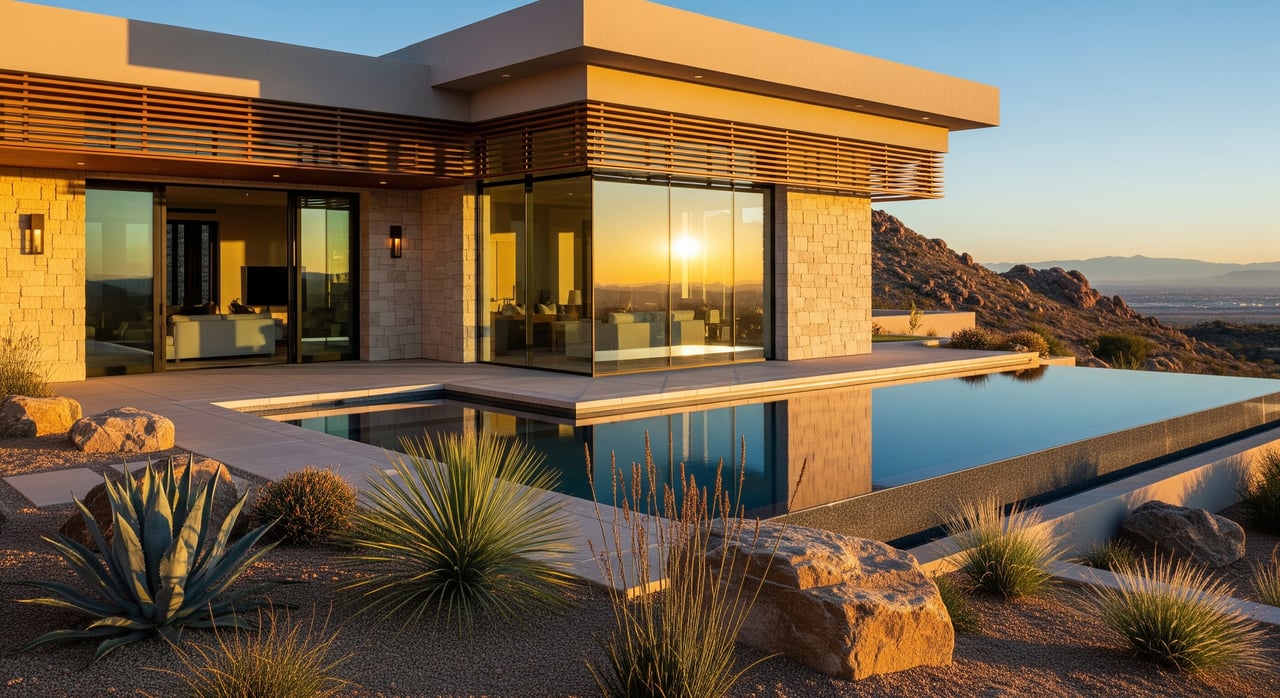
Craving mountain views and a quieter pace without giving up quick access to the city? If you’re weighing neighborhoods in northwest Las Vegas, Lone Mountain should be on your shortlist. You want room to breathe, practical commute options, and clear buyer guidance, not fluff. In this guide, you’ll learn what it’s like to live in Lone Mountain, the types of homes you’ll find, how to think about pricing and resale, and the key checks to make before you write an offer. Let’s dive in.
Where Lone Mountain sits
Lone Mountain is in the northwest part of the Las Vegas Valley within unincorporated Clark County. It sits along US‑95 with local access from Cheyenne Avenue and Durango Drive. You’re north of many Summerlin communities and south of more open desert near Tule Springs.
Neighborhood borders are informal and can vary by map. If you need exact boundaries for a specific property search, rely on the Las Vegas REALTORS MLS neighborhood polygon or Clark County parcel maps.
Vibe and lifestyle
Lone Mountain has a suburban feel with low to medium housing density. You’ll see a mix of family-oriented streets, retirees, and newer infill pockets near established blocks. It’s noticeably calmer than the Strip corridor, with a small local-center feel.
Outdoor access is a big part of the appeal. The mountain itself anchors local trails, and you’re a short drive from desert parks to the north. For a unique weekend option, explore the ancient fossils and open landscape at Tule Springs Fossil Beds National Monument.
Outdoor living tips
- Summers are hot and dry, so plan hikes and yard time in early mornings or late afternoons.
- Water-wise landscaping and efficient irrigation are common. If you want grass, budget for higher water use and maintenance.
- Pools are popular and add value, but they come with equipment upkeep and seasonal service costs.
Home types and lots
Most homes are single-family detached properties. You’ll find some townhomes and condos, plus a few gated or custom homes on larger lots closer to the mountain or along ridgelines. Lot sizes vary from smaller suburban footprints to larger yards that can fit a pool and play space.
Construction spans late 20th-century builds to newer infill. Expect stucco exteriors, concrete tile or built-up roofs, and desert-friendly yards. Common updates include HVAC replacements, energy-efficiency upgrades, and refreshed kitchens and baths.
What drives value and resale
- Views and setting: Proximity to the mountain and clear sightlines can boost desirability.
- Lot size and outdoor space: Larger, usable yards and pools often command higher prices.
- Condition: Newer HVAC systems, remodeled kitchens, and recent roof work are big value points.
- Noise and traffic: Homes near US‑95 or major arterials may see lower demand.
- Commuting access: Quick on-ramps to US‑95 help for Strip, downtown, or base commutes.
Condition checks to prioritize
- HVAC age, capacity, and service history.
- Roof and stucco condition given sun exposure.
- Pool equipment, permits, and leak history if a pool is present.
- Electrical panel capacity if you plan for EV charging or additional A/C.
- Irrigation system efficiency and any water restrictions.
What homes cost
Price points change quickly across the Valley. Historically, Lone Mountain has offered lower entry prices than nearby premium master-planned areas like parts of Summerlin, but numbers vary by lot size, age, and upgrades. Instead of chasing a single median, compare active listings and recent closed sales for your home’s micro-area and condition.
A practical approach is to think in categories:
- Entry-level single-family in older subdivisions with standard lots and original finishes.
- Move-up homes with updated interiors, pools, or better views.
- Larger-lot or semi-custom properties closer to the mountain.
To get current pricing, lean on your agent’s MLS search and recent comps. For verified tax assessments and recorded sales details, check the Clark County Assessor.
Daily life and conveniences
You’ll find grocery stores, everyday services, and neighborhood retail a short drive away. For larger shopping trips or dining clusters, nearby commercial corridors and the Summerlin area provide more options. Healthcare access includes regional hospitals and urgent care centers throughout the metro, which continue to evolve as facilities open or expand.
Commute and transit
Most residents drive. US‑95 is your main north–south route to downtown and the Strip. Drive times vary with traffic, but many city-center commutes fall in the 15 to 35 minute range depending on the time of day.
Public transit exists through the Regional Transportation Commission of Southern Nevada. If you plan to use buses, check current routes and frequencies on the RTC of Southern Nevada site. Lone Mountain is primarily car-oriented, so consider a park-and-ride strategy if you want a hybrid routine.
Utilities and services
- Electricity: NV Energy is the primary provider. You can review programs and account setup with NV Energy.
- Natural gas: Most homes are served by Southwest Gas.
- Water and sewer: Service areas vary by parcel. Confirm providers for specific addresses through Clark County parcel records or seller disclosures.
- Trash and recycling: Provided by the municipality or contracted haulers based on address.
Pro tip: Ask for 12 months of utility bills during due diligence to gauge seasonal costs.
Schools and safety
Lone Mountain is within the Clark County School District. School assignments depend on your property address and can change over time. For the most current information, use the Clark County School District boundary tools and explore performance data through GreatSchools. Always verify details for the specific home you’re considering.
Safety conditions can vary block by block. Review recent precinct reports and neighborhood maps from the Las Vegas Metropolitan Police Department. Look at multiple sources and time periods to understand patterns, and evaluate how street layout, lighting, and traffic flow might affect your comfort level.
Taxes, HOAs, and insurance basics
Nevada does not have a state income tax. Property taxes are assessed by Clark County and vary by parcel, exemptions, and local levies. For a clear picture, review current records with the Clark County Assessor and check the Treasurer’s site for tax bills.
Some Lone Mountain subdivisions have HOAs, especially newer or gated communities. HOA rules can limit exterior changes, vehicles, and rentals. Request CC&Rs and budget for monthly or quarterly fees.
Homeowners insurance is standard. Flood insurance is typically optional unless required by your lender based on FEMA maps. Earthquake coverage is usually separate and less common. If the home has a pool, confirm that your policy covers equipment and liability appropriately.
Permits, zoning, and future plans
Unincorporated areas fall under the Clark County Building Department for permits and code enforcement. Before you buy, pull permit history to confirm that past work was done to code. If you plan to remodel, add a pool, or consider accessory structures, review requirements with the Clark County Building Department.
Zoning rules, short-term rental restrictions, and lot coverage limits can influence what you can do with a property. Also consider nearby planned developments, which can change traffic and local retail over time.
How to shop smart in Lone Mountain
If you like the Lone Mountain feel, focus your search with a simple plan:
- Define must-haves vs. nice-to-haves
- Minimum bedroom count and yard size
- Pool vs. no pool
- Commute priority and access to US‑95
- HOA tolerance and monthly fee budget
- Walk the micro-area at different times
- Visit early morning, mid-day, and evening
- Listen for freeway or arterial noise
- Note sun exposure and shade on patios and yards
- Check condition and systems
- HVAC age and tonnage for summer heat
- Roof, stucco, and window condition
- Irrigation and landscaping efficiency
- Electrical panel capacity if you plan for EV charging or solar
- Verify the paper trail
- Recent comparable sales and MLS history
- Parcel record, taxes, and any exemptions via the Assessor
- School boundaries via CCSD tools
- HOA rules, fees, and transfer costs
- Permit history and open permits with the County
Quick buyer checklist
- Test-drive your commute during peak times.
- Confirm utility providers and request 12 months of usage.
- Compare noise exposure near US‑95 vs. interior streets.
- Budget for HVAC and pool maintenance in the first year.
- Review CC&R limits before you fall in love with a house.
- Ask about insurance endorsements for pools and irrigation.
Who Lone Mountain fits best
- You want a quieter, suburban base with room to spread out.
- You value quick highway access to downtown, the Strip, or Nellis area corridors.
- You prefer a range of single-family options, from established homes to newer infill, without paying master-planned premiums.
If you’re PCSing or buying your first home, the neighborhood’s mix of price points and commute options can be a strong fit. A clear plan and a thorough due diligence process will help you secure the right home with fewer surprises.
Work with a mission-driven guide
Buying in the desert comes with its own checklist. You deserve a steady partner who moves fast, explains every step, and understands PCS, VA financing, and family timelines. If you want a local advisor who brings discipline and practical neighborhood intel, connect with Dan Merrill to map your next steps and tour homes on your schedule.
FAQs
What is the commute like from Lone Mountain to the Strip or downtown?
- Most residents drive via US‑95. Depending on traffic, many commutes fall in the 15 to 35 minute range. Check the RTC of Southern Nevada for bus options if you want a hybrid plan.
How are schools assigned for Lone Mountain addresses?
- Schools are assigned by address within the Clark County School District. Always verify boundaries using the Clark County School District tools and review performance information on GreatSchools.
Are there HOA communities in Lone Mountain?
- Yes, some subdivisions have HOAs while others do not. Request CC&Rs early to understand rules on exterior changes, vehicles, and rentals, and budget for monthly or quarterly fees.
What should I review for safety in Lone Mountain neighborhoods?
- Look at recent reports and maps from the Las Vegas Metropolitan Police Department, compare time periods, and visit the area at different times of day to assess lighting, traffic, and overall feel.
Which utility providers serve Lone Mountain homes?
- Most homes are served by NV Energy for electricity and Southwest Gas for natural gas. Water and sewer service varies by parcel, so confirm providers for the specific address.
How do I verify taxes and past permits on a Lone Mountain property?
- Review parcel details and assessed values with the Clark County Assessor and check permit history with the Clark County Building Department.