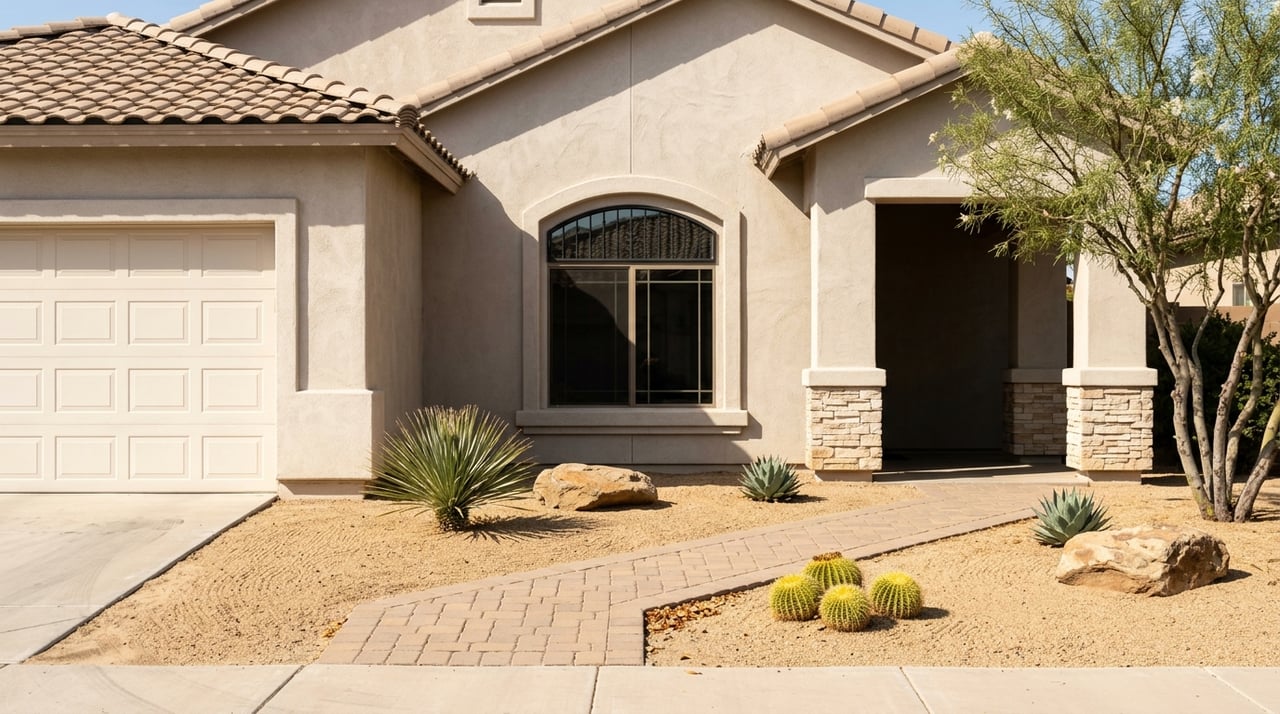
Buying your first home can feel exciting right up until you realize how many moving parts are involved. If Lone Mountain is on your radar, you are likely trying to balance budget, location, financing, and timing all at once. The good news is that this part of northwest Las Vegas offers real variety and a market where preparation still gives you an edge. This guide will walk you through what to expect, how to plan, and what to watch for before you make an offer. Let’s dive in.
Why Lone Mountain Appeals to First-Time Buyers
Lone Mountain stands out because it is not a one-size-fits-all neighborhood. Clark County identifies Lone Mountain as an unincorporated town in the northwest Las Vegas Valley, and the City of Las Vegas also has a Lone Mountain Master Plan Area. That means the exact jurisdiction can vary by property, so zoning and permitting details should always be confirmed for the specific address you are considering.
For first-time buyers, that variety can be a real advantage. Local planning documents show a mix of large-lot residential areas, attached housing, lower-density homes, some commercial uses, and open space. In plain terms, you may find everything from more budget-friendly pockets to larger homesites and higher-end enclaves within the broader Lone Mountain area.
The area also has strong outdoor appeal. Clark County highlights parks, trails, picnic areas, equestrian facilities, pickleball, basketball, tennis, playgrounds, and scenic views in and around Lone Mountain Park, Lone Mountain Regional Park, and Lone Mountain Discovery Park. If you want access to outdoor space without giving up city convenience, that is part of the draw here.
Location and Access in Lone Mountain
Lone Mountain sits near major routes that matter for daily life in Las Vegas. City planning materials place the area near US-95 and the 215 Beltway, with access along roads like Craig, Cheyenne, Ann, Durango, Buffalo, and Rainbow. That makes it easier to think through commuting patterns, errands, and getting around the valley.
For first-time buyers, this matters because convenience affects more than your drive time. It can shape how often you use nearby parks, how easily guests find your home, and how practical the location feels over time. When you tour homes, it helps to compare not just the house itself, but the exact pocket within Lone Mountain.
What Homes in Lone Mountain Look Like
One of the biggest mistakes first-time buyers make is assuming a neighborhood name tells the whole story. In Lone Mountain, that is especially risky because the housing mix is broad. Based on Clark County and City of Las Vegas planning information, buyers should expect a mix of detached homes, attached housing, and larger-lot properties rather than one uniform style of housing.
That means your search should start with your needs, not just the neighborhood label. Think about how much space you want inside, how much yard you want to maintain, and whether features like a larger lot or open-space orientation matter to you. In Lone Mountain, two homes with the same ZIP code feel can offer very different ownership experiences.
Lone Mountain Prices Can Vary a Lot
The current market data shows that Lone Mountain is not one simple price point. Realtor.com reported a March 2026 median listing price of $400,000, while Zillow showed an average home value of $446,331 and a median list price of $464,966 around the end of March 2026. Redfin reported a March 2026 median sale price of $410,000.
Those numbers are not identical because different platforms use different boundaries and timing. Still, the takeaway is clear: Lone Mountain covers a wide range. Realtor.com also showed a neighborhood spread from about $295,000 in one pocket to about $1.5 million in another, which tells you the neighborhood name alone does not define affordability.
For a first-time buyer, the smart move is to narrow your budget first and then target the specific part of Lone Mountain that matches it. That approach saves time and helps you avoid comparing homes that are technically nearby but financially far apart.
Is Lone Mountain Competitive Right Now?
Lone Mountain appears to be moderately competitive, not overheated and not slow. Zillow reported homes going pending in about 37 days, while Realtor.com showed a 39-day median market time. Redfin described the area as somewhat competitive and reported homes generally selling in 56 to 78 days, with average sales around 2% below list, though some properties received multiple offers.
That mix tells first-time buyers something useful. Well-presented, correctly priced homes can move quickly, but there may still be room to negotiate depending on the property and the subarea. In other words, you do not want to show up unprepared, but you also should not assume every offer needs to be aggressive just to have a chance.
Start With Preapproval, Not Just Browsing
Before you get attached to a home, get preapproved with a lender. The CFPB says a preapproval letter is a lender’s tentative statement that it is willing to lend up to a certain amount. It is not a guaranteed loan, but sellers often want to see it, and the letter typically expires in 30 to 60 days.
Preapproval helps you shop with clearer boundaries. It also makes your offer stronger because it shows the seller you have already taken an important financing step. In a market like Lone Mountain, where good homes can still move fast, that preparation matters.
Compare Loan Estimates Carefully
A first-time buyer guide would not be complete without this step: compare more than one lender. The CFPB recommends reviewing official Loan Estimates from multiple lenders because rates, terms, and fees can differ. Even a small difference can affect your monthly payment and long-term cost.
This is especially important if you are trying to stay within a firm budget. A home that feels just out of reach with one lender may look more manageable with another loan structure or lower fee setup. Careful comparison gives you better information before you commit.
Nevada Programs That May Help
Nevada offers programs that may help first-time buyers with upfront costs. According to the Nevada Housing Division, first-time homebuyers are generally defined as people who have not owned a primary residence in the last three years. The state’s Home Is Possible materials currently highlight up to 4% down payment assistance for FHA, VA, and USDA-RD loans.
The Nevada Housing Division also promotes the Home First program, which currently offers up to $15,000 in down payment assistance on purchase prices up to $570,000. In addition, the state lists a Mortgage Credit Certificate that may provide a federal income tax credit of up to 30% of mortgage interest paid each year.
These are current program snapshots, not permanent guarantees. The Nevada Housing Division also shows a homebuyer education path and notes current details such as a 640 minimum credit score and a no-interest, no-payment second mortgage structure for some assistance products. If you think you may qualify, it is worth asking about these options early in your planning process.
Budget Beyond the Down Payment
Many first-time buyers focus heavily on the down payment and forget the rest of the budget. The CFPB says closing costs typically run about 2% to 5% of the purchase price. You should also plan for moving costs, repairs, furnishings, and an emergency cushion.
That extra planning helps you buy with less stress. If you spend every dollar getting to closing, even a small repair or setup expense can feel overwhelming in the first few months. A safer budget gives you room to settle in.
What to Watch for When Touring Homes
Lone Mountain has some location-specific details that deserve extra attention during tours. Clark County’s master plan notes steeper slopes and wildlife habitat on the western edge near the La Madre Mountains. That means site conditions can matter more here than they do in flatter suburban areas.
As you walk a property, pay attention to lot size, yard usability, and how the home sits on the site. Also look at orientation to open space or mountain areas, and ask about the age and condition of major systems like the roof and HVAC. These details can shape both maintenance costs and daily comfort.
In Southern Nevada, landscaping matters too. The Southern Nevada Water Authority says residents must follow seasonal watering restrictions, and rebate programs are available for converting grass to desert landscaping. For buyers in Lone Mountain, that makes yard design, irrigation condition, and desert-friendly landscaping important parts of the tour.
Check HOA Rules Property by Property
Do not assume every Lone Mountain home has the same ownership structure. Current listings show both HOA-managed properties and some no-HOA homes in the area. That means you need to verify dues, rules, transfer fees, parking restrictions, and exterior maintenance obligations for each property you consider.
For a first-time buyer, this step is easy to overlook. But monthly dues and community rules can affect both your budget and how you use the home. It is better to understand them before you write an offer than after you are under contract.
Write an Offer That Protects You
Offer strength is not only about price. In Lone Mountain, a strong first-time buyer offer is usually one that is clean, prepared, and realistic for the property. That includes having your preapproval ready, understanding your budget, and knowing which terms matter most.
HUD and the CFPB both advise making the purchase contract contingent on financing and a satisfactory inspection. Those contingencies matter because they give you a path to renegotiate or cancel in certain situations if the deal no longer makes sense. For first-time buyers, that protection can reduce major financial risk.
Inspections and Appraisals Are Different
An inspection and an appraisal are not the same thing, and both matter. The CFPB says buyers should hire an independent inspector and schedule the inspection as soon as possible. If the inspection is unsatisfactory and your contract allows it, you may be able to renegotiate or cancel.
An appraisal is typically required by the lender. Its purpose is different because it helps determine whether the home supports the loan amount. If the appraisal comes in below the sale price, the buyer can often ask the seller to reduce the price and may be able to cancel depending on the contract terms.
Stay Steady Between Contract and Closing
Once your offer is accepted, your job is not done. The CFPB warns buyers to avoid taking on new debt or making large purchases before closing because new credit activity can affect the loan. That means it is usually wise to pause major spending until the transaction is complete.
At closing, the loan and home purchase usually finalize together, with the agent, title company, and escrow company often involved. For first-time buyers, this stage feels much easier when you have stayed organized from the start and kept your financing stable.
A Simple First-Time Buyer Plan for Lone Mountain
If you want a practical roadmap, keep it simple:
- Get preapproved before you shop seriously.
- Compare Loan Estimates from more than one lender.
- Ask whether Nevada down payment assistance or tax credit programs may fit your situation.
- Narrow your search to the specific Lone Mountain pocket that matches your budget.
- Tour homes with site conditions, lot usability, landscaping, and HOA details in mind.
- Write an offer with financing and inspection protections.
- Stay financially steady until closing.
That kind of plan fits the Lone Mountain market well. The area rewards buyers who are prepared, patient, and specific about what they want.
If you are buying your first home in Lone Mountain, you do not need to figure it all out alone. A clear plan, a realistic budget, and local guidance can make the process far less stressful from day one to closing. When you are ready for step-by-step help in the Las Vegas market, reach out to Dan Merrill.
FAQs
What makes Lone Mountain different for first-time homebuyers?
- Lone Mountain offers a mix of housing types, price points, lot sizes, and land-use patterns, so you should evaluate each property and subarea individually rather than treating the whole area as one uniform neighborhood.
How competitive is the Lone Mountain Las Vegas housing market?
- Recent market snapshots suggest Lone Mountain is moderately competitive, with some homes moving quickly and others allowing room for negotiation depending on price, condition, and location.
What should first-time buyers budget for in Lone Mountain besides the down payment?
- In addition to the down payment, you should plan for closing costs that typically run about 2% to 5% of the purchase price, plus moving expenses, repairs, furnishings, and an emergency reserve.
What Nevada first-time buyer programs may help with a Lone Mountain purchase?
- The Nevada Housing Division currently highlights Home Is Possible with up to 4% down payment assistance for certain loan types, Home First with up to $15,000 in assistance on qualifying purchases, and a Mortgage Credit Certificate that may offer a tax credit.
What should buyers look for when touring homes in Lone Mountain Las Vegas?
- Pay close attention to lot size, yard usability, site slope, roof and HVAC age, open-space or mountain orientation, landscaping style, irrigation condition, and whether the property has HOA rules or fees.
Why should a Lone Mountain home offer include contingencies?
- Financing and inspection contingencies can help protect you if your loan changes, the inspection reveals serious issues, or the appraisal comes in low, depending on the contract terms.